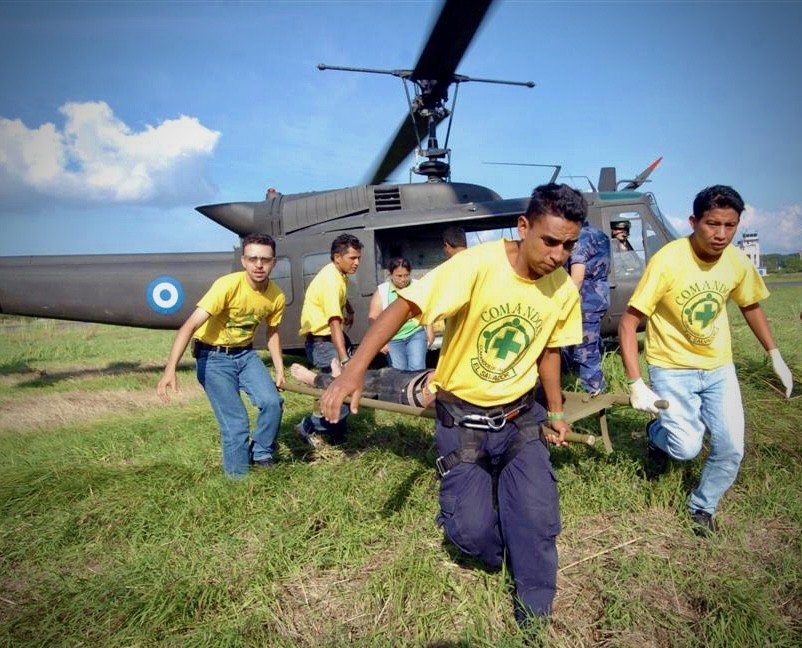
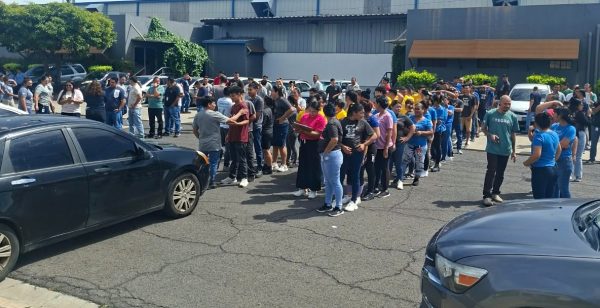
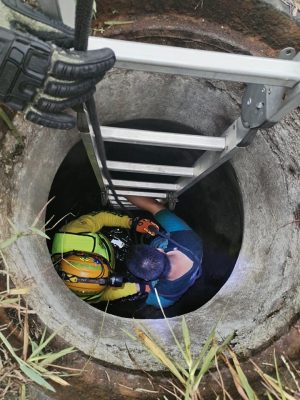
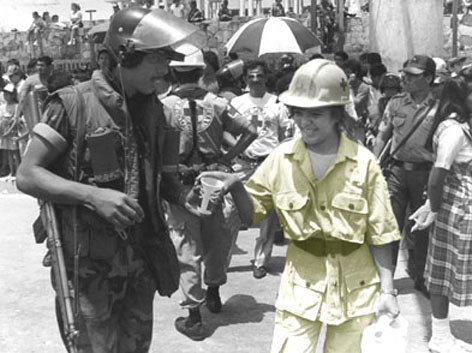
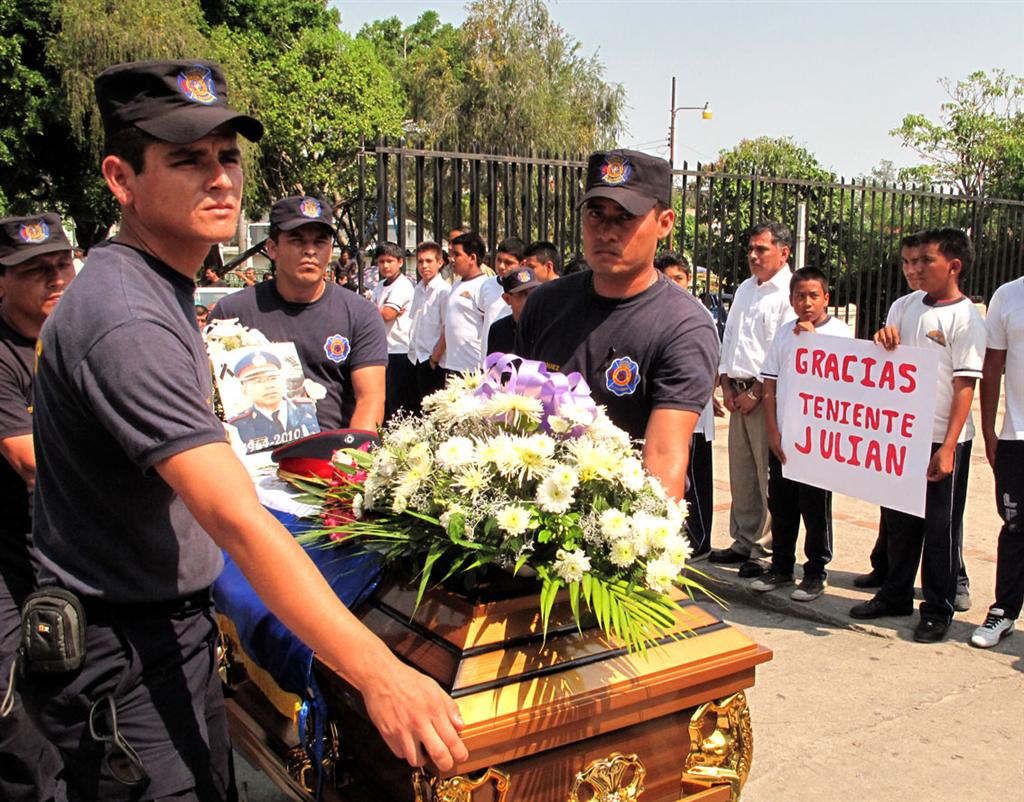
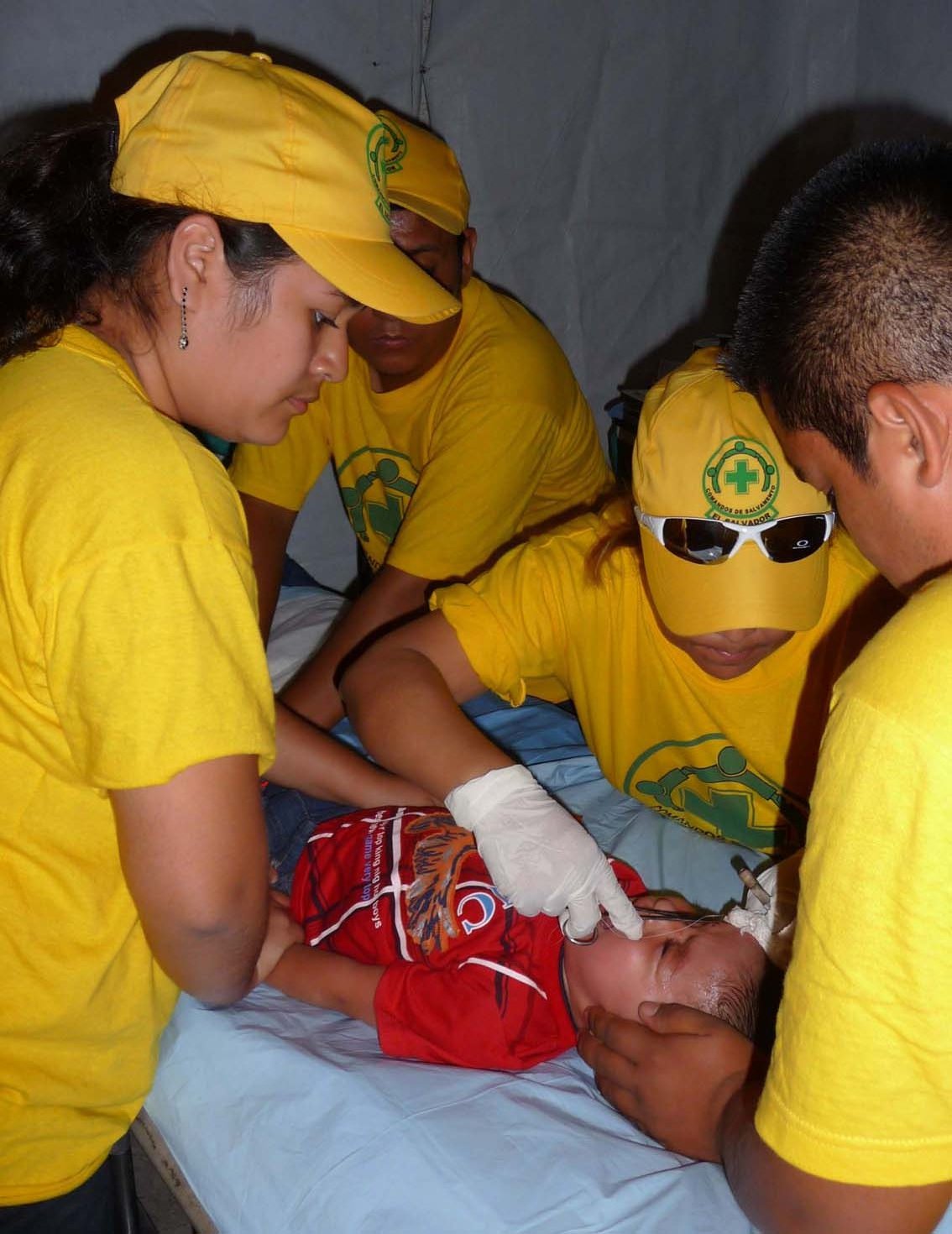
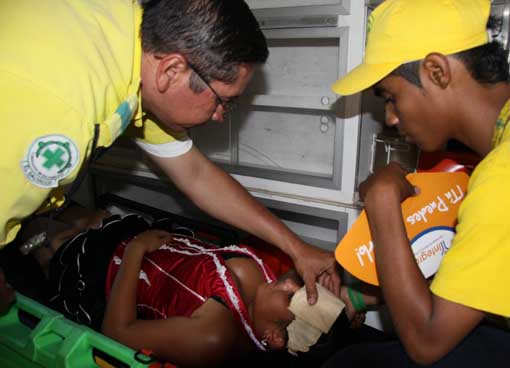
1960 Founded in Villa Delgado In 1960, citizens led by Édgar Cornejo Díaz organized a volunteer lifesaving service in Villa Delgado, now Ciudad Delgado. Its roots were in water rescue, but local needs soon expanded the work to accidents, fires and disasters. From the beginning, the organization offered assistance to people in danger regardless of their social background, religion or political beliefs. 1965 San Salvador earthquake On 3 May 1965, an earthquake struck San Salvador, destroying homes and buildings and leaving many people injured or homeless. It was one of the first major emergencies faced by Comandos, then an organization with very limited resources. Volunteers searched for victims, carried out rescues and provided first aid, using even a small vehicle adapted as an ambulance. 1969 Hundred Hours War In July 1969, war between El Salvador and Honduras brought fighting and displacement to their border regions. Comandos treated and evacuated wounded people at El Poy in Chalatenango and El Amatillo in La Unión. Its role was humanitarian: reaching victims and transporting them to care amid an armed conflict between the two countries. 1974 Hurricane Fifi In September 1974, Hurricane Fifi brought devastating floods to Central America, especially Honduras. Heavy rainfall also affected communities in El Salvador, creating an emergency that required assistance on both sides of the border. Comandos helped Salvadoran communities and worked alongside the Honduran fire service as part of the regional response to the disaster. 1976 Guatemala earthquake On 4 February 1976, a magnitude 7.5 earthquake associated with the Motagua Fault devastated communities across Guatemala. Collapsed homes and landslides destroyed neighborhoods and obstructed access for rescuers. Comandos volunteers traveled to the neighboring country, joined search and rescue operations with the volunteer fire service, and helped distribute food, clothing and medicines. 1980 Archbishop Romero’s funeral On 30 March 1980, thousands gathered outside San Salvador’s Metropolitan Cathedral for the funeral of Archbishop Óscar Arnulfo Romero, assassinated six days earlier. Gunfire and explosions caused panic and casualties among the mourners. Comandos treated the wounded and evacuated them to hospitals, including in pickup trucks used as ambulances, while rescuers themselves faced serious danger. 1982 Montebello landslide On 19 September 1982, intense rainfall triggered a landslide on the slopes of San Salvador volcano. Mud, rocks and debris buried homes in the Montebello neighborhood and nearby parts of Mejicanos. Comandos searched for trapped people, carried out rescues, treated survivors and helped recover victims. The hillside disaster brought destruction directly into residential communities below the volcano. 1985 Mexico earthquake On 19 September 1985, a magnitude 8.1 earthquake off Michoacán caused massive destruction in Mexico City, where numerous buildings collapsed. Comandos sent fifty volunteers to assist search and rescue teams alongside Mexican emergency services. The mission brought Salvadoran rescue experience to one of the region’s largest urban disasters and extended its humanitarian work beyond national borders. 1986 San Salvador earthquake On 10 October 1986 at 11:49 a.m., a shallow earthquake struck San Salvador and brought down buildings and homes. Its proximity to the city caused severe destruction despite its relatively moderate magnitude. Comandos searched collapsed structures, rescued victims and treated the injured, while also distributing water, food and other essential supplies to affected communities. 1989 November offensive November offensive On 11 November 1989, the FMLN launched an offensive that brought intense fighting with the Salvadoran Army into densely populated parts of metropolitan San Salvador. Comandos treated wounded people and evacuated civilians in Mejicanos, Ciudad Delgado, Soyapango and the Escalón neighborhood. Rescuers worked amid ongoing combat, maintaining their humanitarian commitment to help people regardless of political affiliation. 1992 Bajo Lempa floods In 1992, Comandos evacuated families and delivered food, clothing and medical assistance to flooded Bajo Lempa communities in the lower river basin between San Vicente and Usulután. This floodplain lies downstream from the 15 de Septiembre dam: rainfall across the basin and reservoir releases can raise river levels and inundate settlements. The institutional chronology records the year, but not an exact day. 1995 Aviateca Flight 901 On 9 August 1995, Aviateca Flight 901 from Guatemala City crashed into San Vicente volcano, also known as Chichontepec. All 65 people aboard died: 58 passengers and seven crew members. Comandos joined other national emergency agencies and the Salvadoran Air Force in searching for and recovering the victims in the volcano’s mountainous terrain. 1995 Renewed Bajo Lempa floods In 1995, flooding again cut off Bajo Lempa communities and disrupted access to services and supplies. Comandos mobilized emergency teams and medical brigades to assist residents. These operations were part of recurring relief work on the floodplain downstream from the 15 de Septiembre dam, where heavy rainfall and reservoir releases can produce rising waters; the institutional archive gives no single exact date. 1995–98 Dengue prevention campaigns Between 1995 and 1998, Comandos worked with health authorities and the National Emergency Committee on mosquito-control spraying campaigns against dengue. This mosquito-borne disease can cause outbreaks affecting many households. The volunteers’ participation extended their work into community prevention, alongside their better-known responses to accidents and disasters. 1998 Hurricane Mitch In late October and early November 1998, rainfall associated with Hurricane Mitch caused floods and landslides across Central America, including severe impacts in El Salvador. Communities were inundated and families had to leave their homes. Comandos evacuated residents, transported patients, provided medical consultations and distributed food and clothing during the emergency. 1999 Relief in Bajo Lempa In 1999, Comandos again brought medical assistance, clothing and food to Bajo Lempa communities in Usulután and San Vicente. This entry records continuing relief during recurrent flooding rather than a single disaster with a documented exact date. These settlements occupy the river floodplain below the 15 de Septiembre dam, where prolonged rains and reservoir releases can raise water levels and threaten homes. 2001 Las Colinas Teams joined search, rescue and recovery operations after the January and February earthquakes and the Las Colinas disaster. 2006 Shooting outside the university On 5 July 2006, a protest over transport and electricity price increases escalated into clashes and a shooting outside the University of El Salvador in San Salvador. Two riot-police officers were killed and others were wounded. Comandos and other emergency responders treated and transported victims to hospitals while dangerous conditions continued around the campus. 2009 Ida rains and landslides During the night of 7–8 November 2009, extreme rainfall associated with a Pacific low-pressure system and Hurricane Ida in the Caribbean caused floods and landslides. Mud and debris flows descended San Vicente volcano and struck Guadalupe and Verapaz. Comandos joined rescue operations and assisted displaced residents and people staying in emergency shelters. 2011 Tropical Depression 12E From 10 to 19 October 2011, Tropical Depression 12E and a wider low-pressure system brought prolonged rainfall to El Salvador. Accumulating water saturated soils, overflowed rivers and triggered flooding and numerous landslides. Comandos deployed its emergency teams during the national crisis. This was a separate disaster from the landslides associated with Ida in November 2009. 2013 Chaparrastique eruption On 29 December 2013, Chaparrastique, also known as San Miguel volcano, erupted and sent ash and gases over nearby areas. The danger to communities on its slopes prompted evacuations and continued monitoring of volcanic activity. Comandos supported monitoring of the situation and precautionary evacuations of residents living close to the volcano. 2020 COVID-19 response In March and April 2020, as the COVID-19 emergency began in El Salvador, volunteers added prevention activities to their emergency service. Comandos provided guidance at bus stops, helped people maintain distance in queues outside banks, and checked temperatures and blood pressure. Its reports document a community response coordinated with public-health measures. 2020 Amanda and Cristóbal Between 31 May and 6 June 2020, Amanda and Cristóbal brought intense rain, floods and landslides to El Salvador and neighboring countries. Homes, roads and services were damaged while the country was already facing the COVID-19 pandemic. Comandos evacuated residents, supported shelters and joined search and rescue operations amid overlapping public-health and disaster emergencies. 2022 Tropical Storm Julia On 9 October 2022, with Julia approaching and a national red alert in effect, Comandos called up volunteers at its 32 bases and prepared rescue and medical teams. The storm affected El Salvador the next day with heavy rain and wind. Activities included precautionary evacuations in El Tamarindo, La Unión, visits to vulnerable communities in Nejapa, and fallen-tree removal in San Martín. 2024 June rainfall emergency In June 2024, successive heavy rains saturated soils and caused flooding, landslides and fallen trees across El Salvador. The red alert issued on 16 June mobilized Comandos branches for precautionary evacuations and emergency assistance. Volunteers maintained continuous shifts through the critical week and helped clear blocked roads as rainfall continued. 2026 Humanitarian mission to Venezuela After the two earthquakes of 24 June 2026 in northern Venezuela, ten Comandos volunteers joined the Salvadoran humanitarian mission. Two groups of five rescuers supported search, rescue and assistance to affected people. On 5 August, Comandos publicly recognized their work with certificates and financial awards sponsored by Norwegian People’s Aid.
1960
Founded in Villa Delgado
In 1960, citizens led by Édgar Cornejo Díaz organized a volunteer lifesaving service in Villa Delgado, now Ciudad Delgado. Its roots were in water rescue, but local needs soon expanded the work to accidents, fires and disasters. From the beginning, the organization offered assistance to people in danger regardless of their social background, religion or political beliefs.
 Comandos
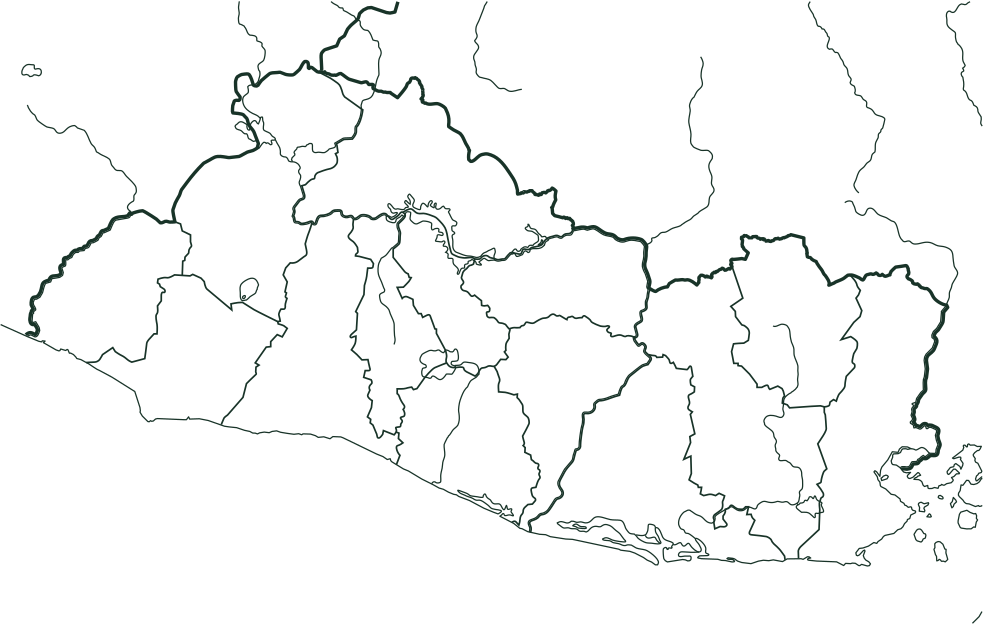 El Salvador