Services
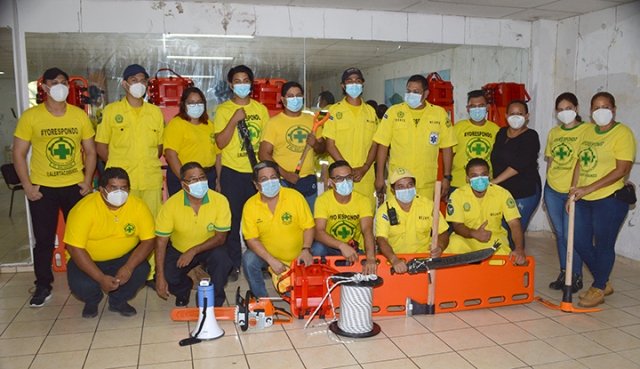
Comandos de Salvamento (the Comandos) provides emergency care, rescue, medical assistance and training through the work of trained personnel, volunteers and partner organizations.
Prehospital care and ambulances
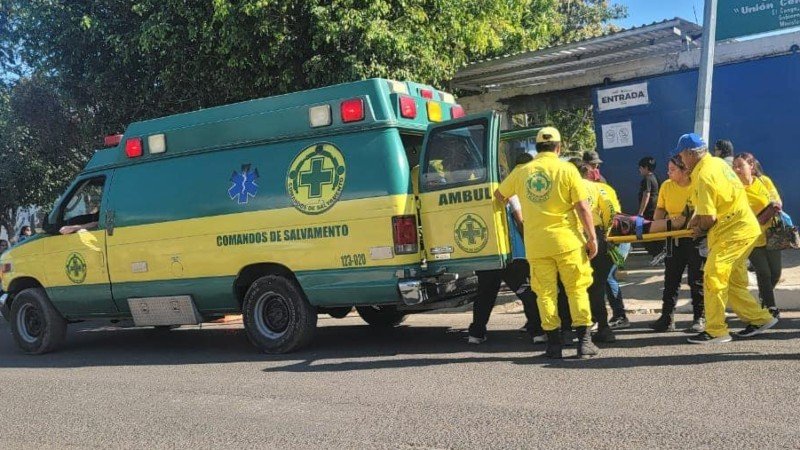
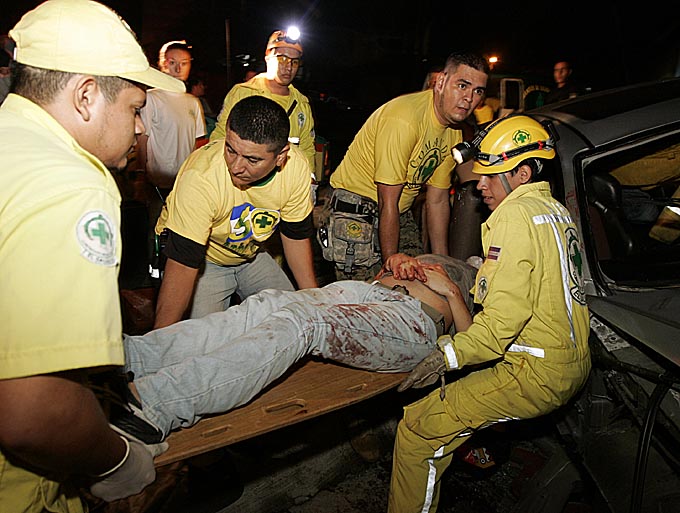
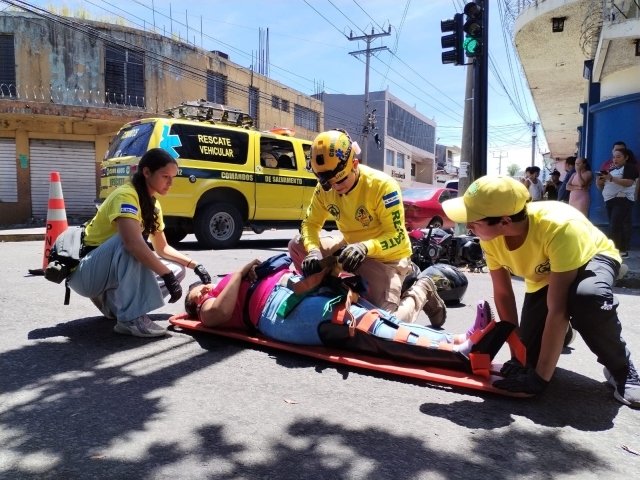
The Comandos respond to accidents, injuries and medical emergencies. Their teams provide initial care and transport patients to healthcare facilities when necessary, in coordination with rescue personnel.
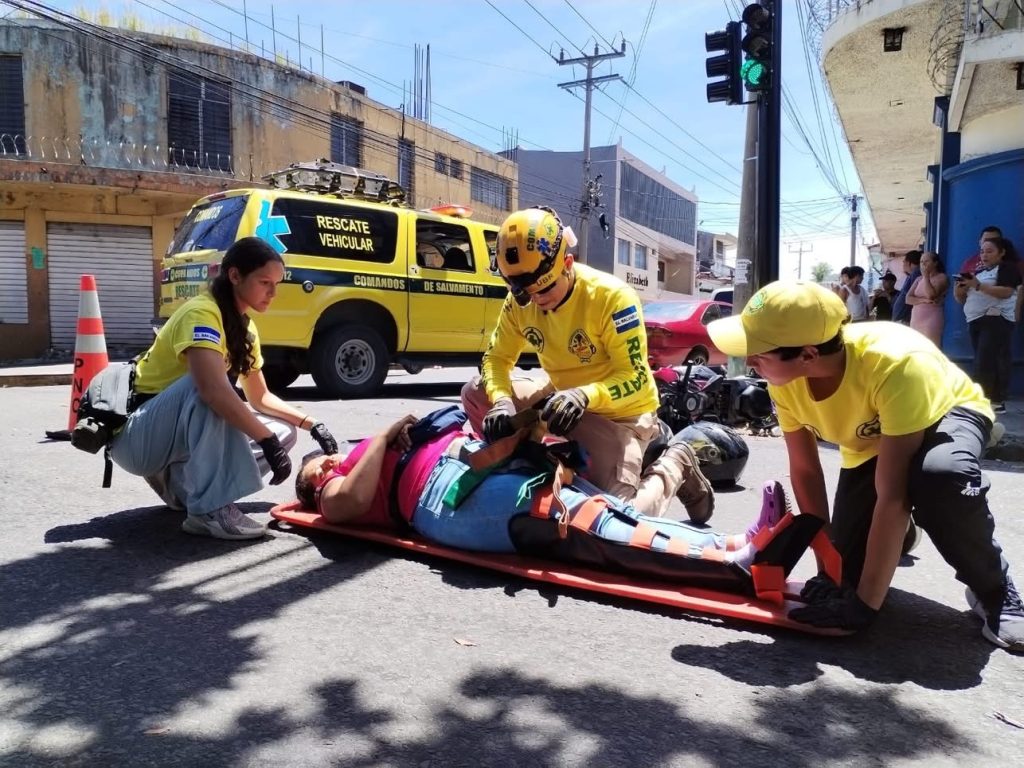
All members receive training in basic first aid and patient stabilization. This preparation includes cervical spine protection and the use of backboards and other immobilization devices when indicated, along with techniques for safely moving and transporting patients.
During care and transport, the team monitors the patient’s condition and communicates relevant information to personnel at the receiving healthcare facility. Coordinated teamwork aims to maintain continuity of care from the emergency scene through patient handover.
Vehicle rescue
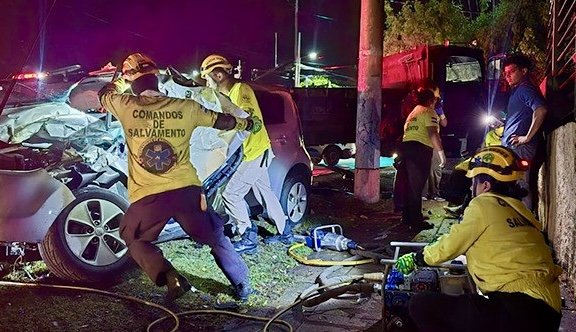
Rescuers use specialized techniques and tools to free and care for people trapped in vehicles. Their training has received support from firefighters in San Diego, California, and PXTEAM in Puyallup, Washington.
Urban and mountain search and rescue
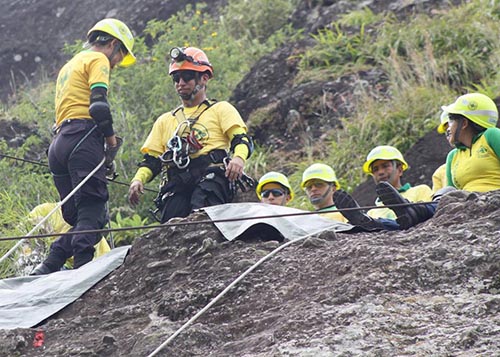
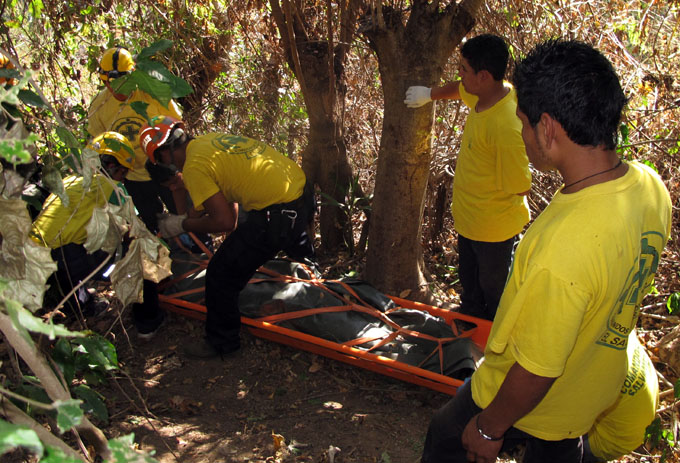
The Comandos search for, rescue and recover people in mountains, ravines, confined spaces and hard-to-reach locations. Training includes rope handling, high-angle rescue and practical exercises at sites such as Puerta del Diablo.
Water rescue and lifeguarding
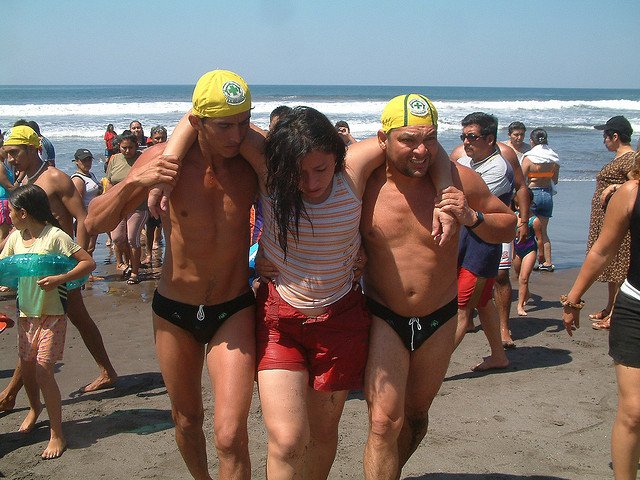
Lifeguards prevent and respond to emergencies at beaches, pools, lakes and rivers, in both shallow and deep water, including rescues of people caught in rip currents.
Operations may use small boats and, in extreme cases, support from Salvadoran Air Force Huey helicopters. Coverage increases during holiday periods and can be requested for organized activities.
Diving and underwater recovery
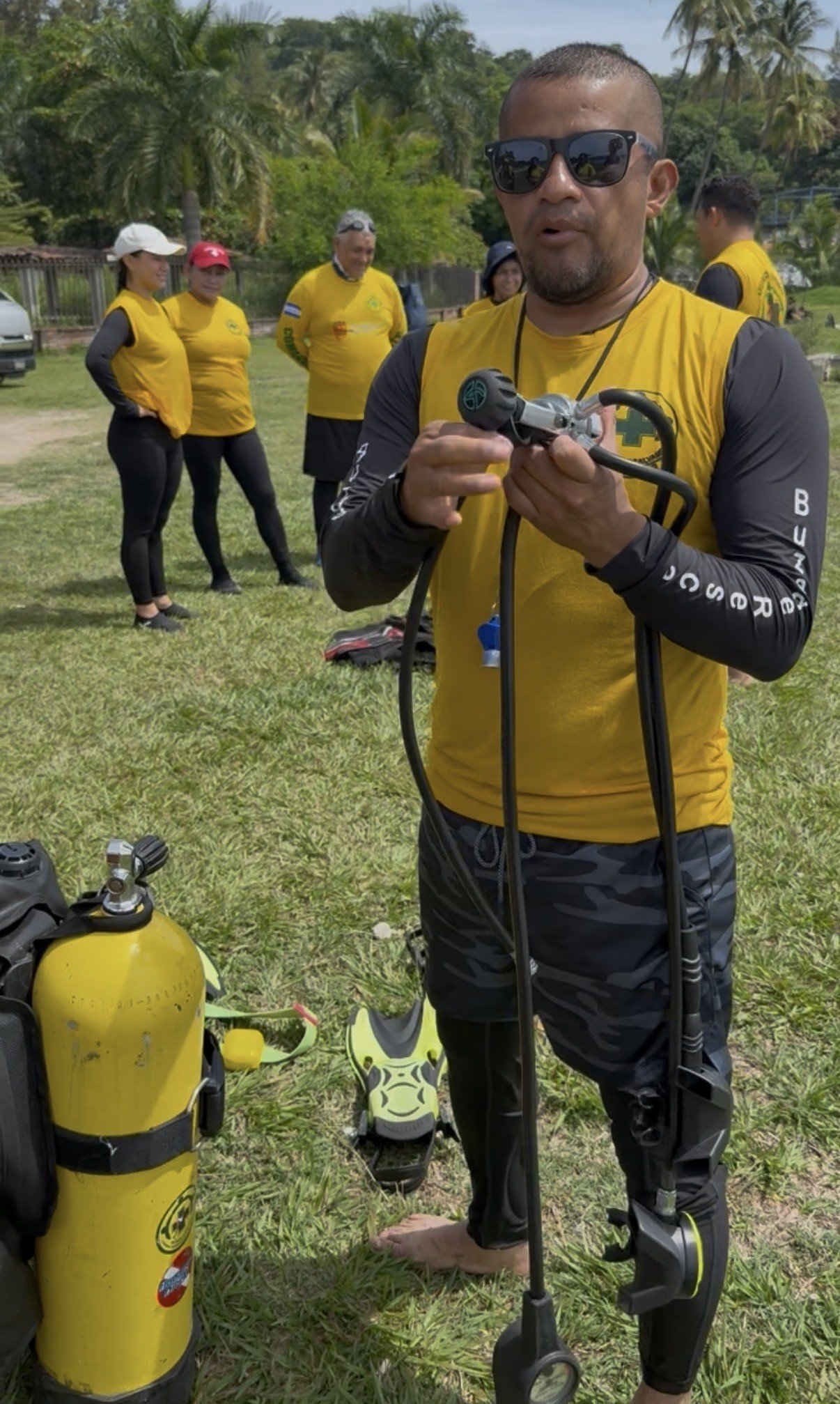
The recently formed diving team, led by Kelvin Valladares, conducts underwater searches and recoveries using specialized equipment and coordinating with surface support personnel.
Aerial rescue and evacuation
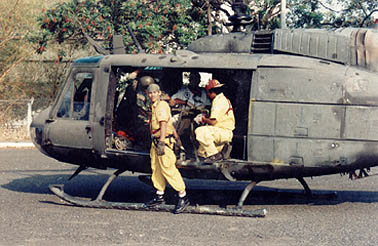
Working with the Salvadoran Air Force, the Comandos participate in rescues and evacuations from hard-to-reach areas. The Air Force provides and operates the helicopters; rescuers work alongside their crews.
General medical clinic
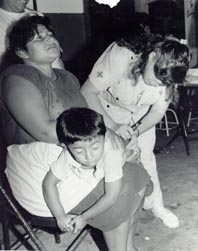
The Central Base offers general medical consultations and basic healthcare for families, with referrals to other healthcare facilities when additional care is needed.
Injury and suturing clinic
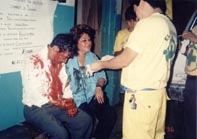
Separate from general consultations, this clinic provides triage, wound cleaning and care, and suturing under local anesthesia when appropriate.
Treating injuries within its capacity helps reduce pressure on hospitals such as Rosales and those of the ISSS. More complex cases are referred for hospital evaluation.
Pharmacy
Managed by Rosa Aguirre, the Central Base pharmacy dispenses prescribed medicines under medical supervision, complementing care at the general medical clinic.
Health brigades and community work
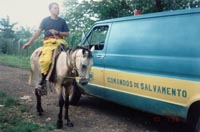
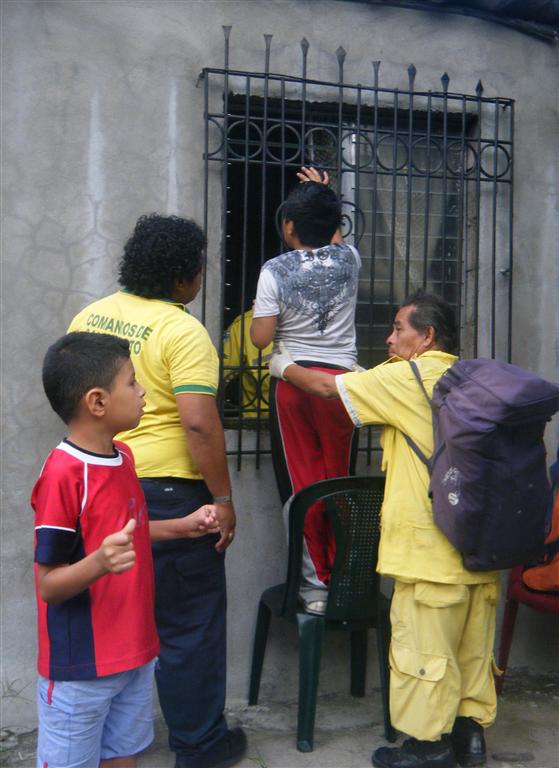
The brigades bring medical assistance and preventive health guidance to rural communities and people affected by disasters.
Since 1995, the Comandos have worked with communities in Bajo Lempa, in Usulután and San Vicente, on first aid, medical assistance and local emergency plans developed with community leaders.
Community support
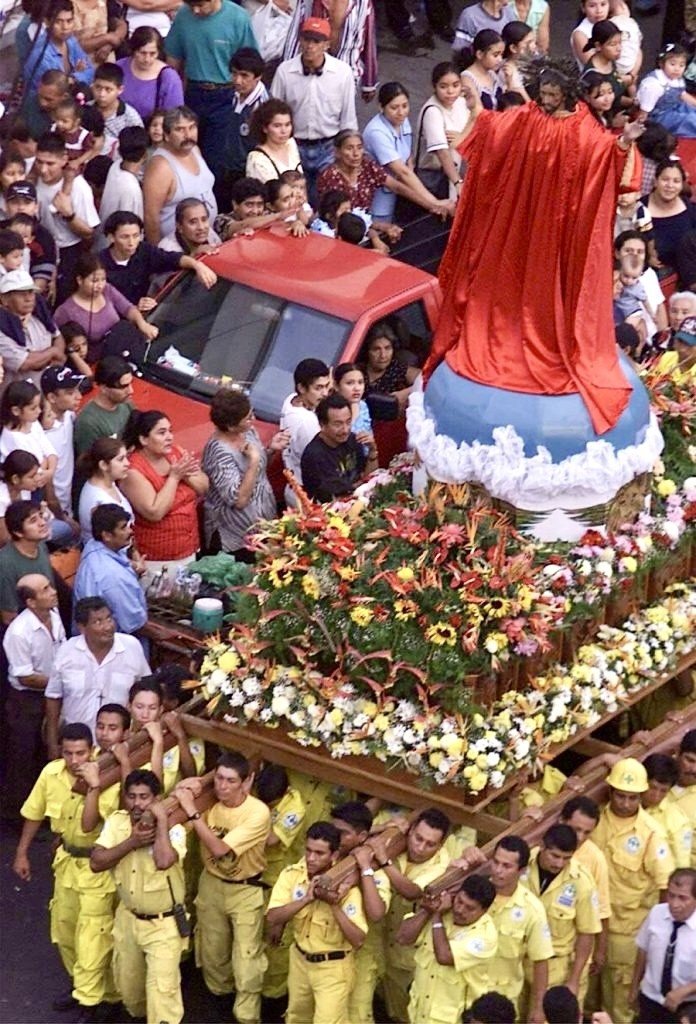
At the request of institutions, schools, organizations and individuals, the Comandos provide standby assistance at sporting, cultural, religious and community events.
Personnel provide first aid, respond to incidents and coordinate additional assistance. Coverage is arranged in advance according to the needs of the event and available resources.
Each year, the Comandos attend parades and celebrations during San Salvador’s Fiestas Agostinas and help carry the platform bearing the image of the Divino Salvador del Mundo during the procession. These patronal festivities take place from August 1 to 6 in honor of the capital’s patron and bring together religious traditions, parades, and cultural and family activities. For the Comandos, taking part is also a way to stay close to the community and assist those who need help.
Protection and evacuation during the armed conflict
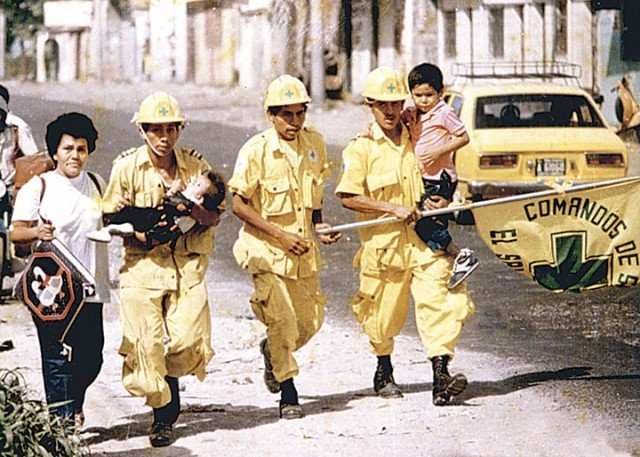
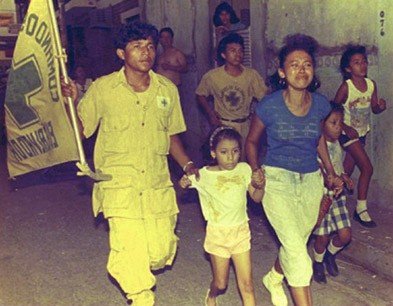
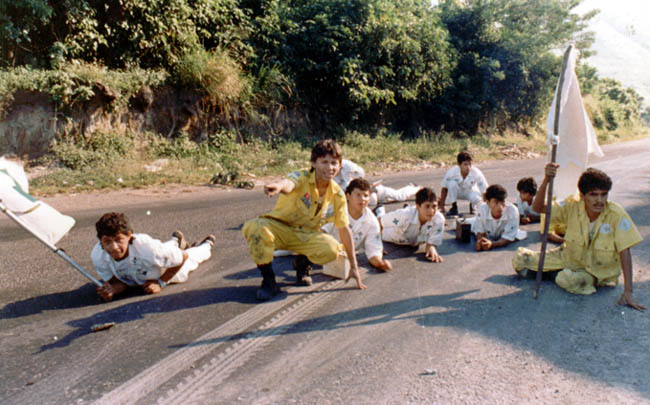
During the Salvadoran armed conflict, the Comandos entered areas of fighting to protect and evacuate civilians. They accompanied families, cared for injured people and helped children and older adults leave dangerous places. Their humanitarian work focused on protecting life without taking part in the fighting.
Mediation and humanitarian assistance during civil unrest
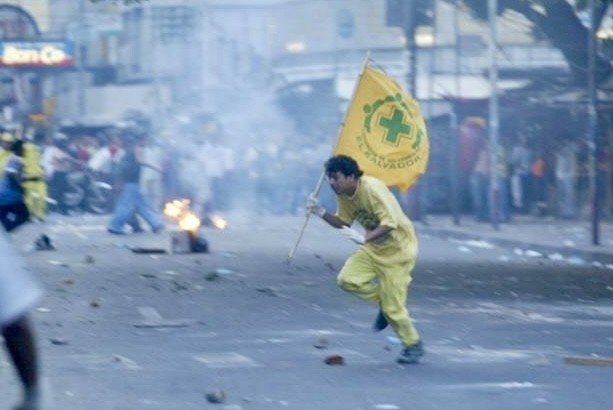
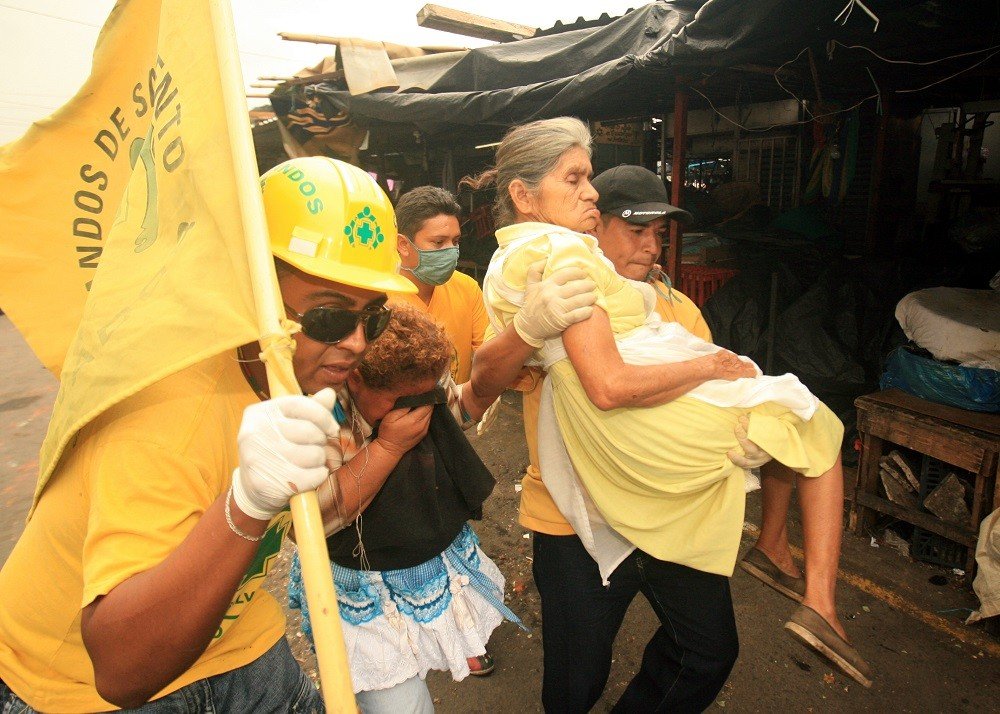
In the 1990s and 2000s, this work continued during emergencies in prisons and street demonstrations. The Comandos provided first aid and helped evacuate people at risk.
Outside the context of the armed conflict, their community work also included mediation and efforts to reduce tensions during street unrest. The priority was to protect people and facilitate assistance without taking sides in confrontations.
Comandos Training School
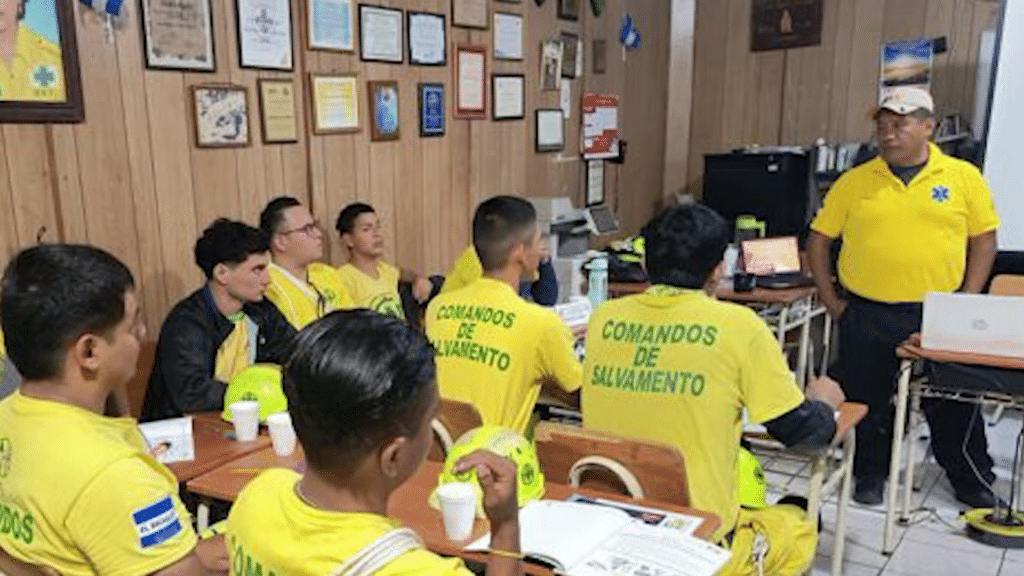
Based at the Central Base and coordinated by veteran Luis Colato, the School trains volunteers from the base and branches across the country in first aid.
Veteran Edgar Jhonny Ramos and other instructors teach high-angle rescue and vehicle extrication, including the use of “jaws of life,” hydraulic spreaders, cutters and rams, HURST equipment and pneumatic tools, along with patient stabilization and protection techniques.
Information and coordination
Visit our Contact page to request services, check availability or coordinate activities with the Comandos.