About
About Comandos de Salvamento
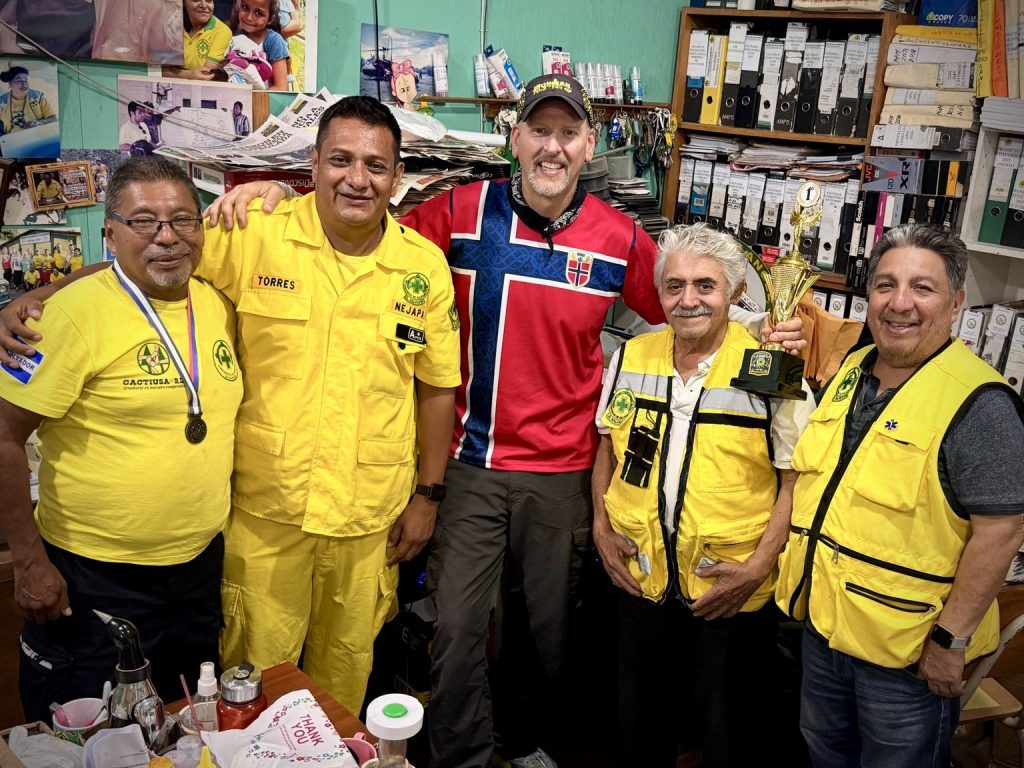
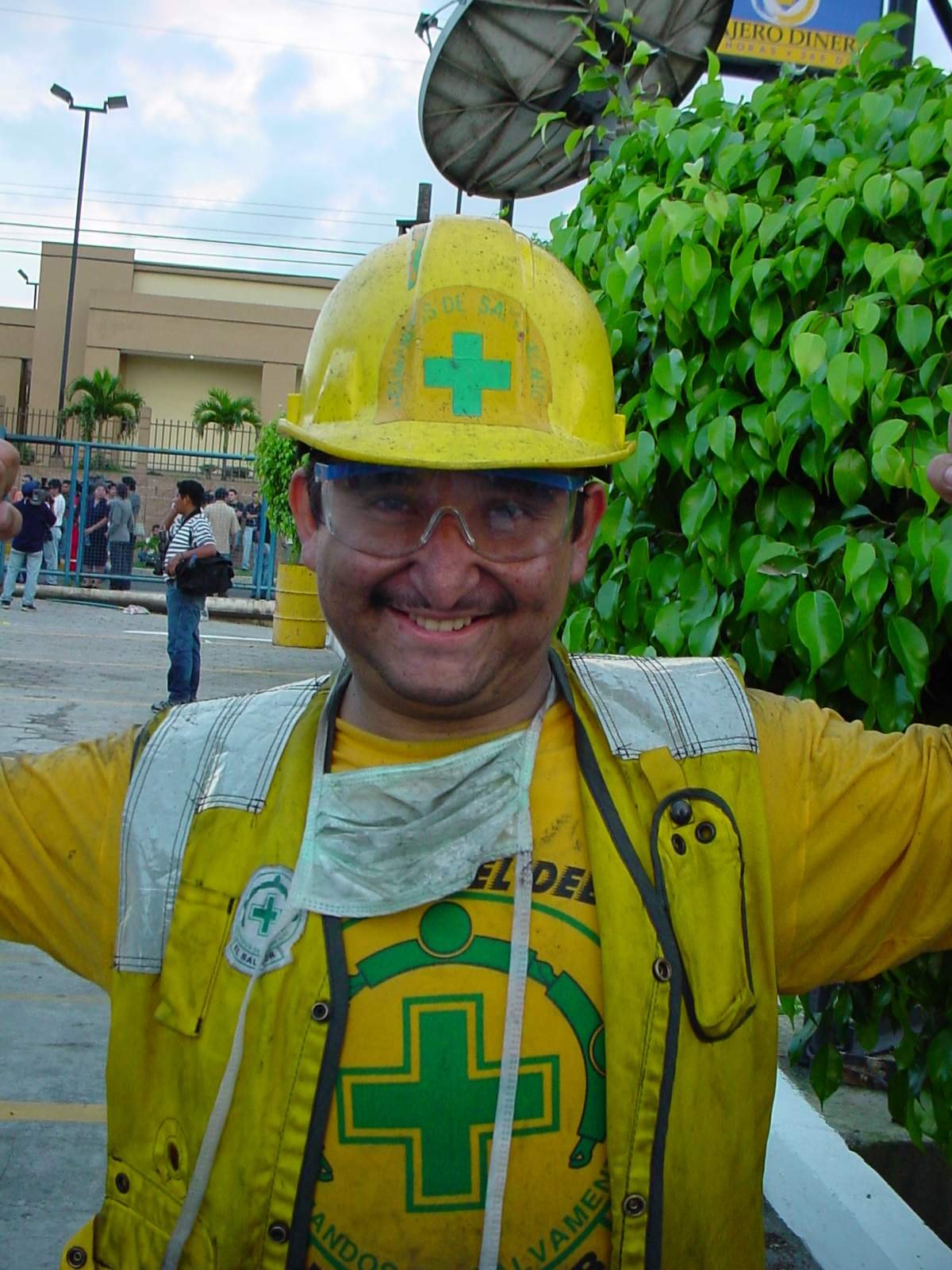
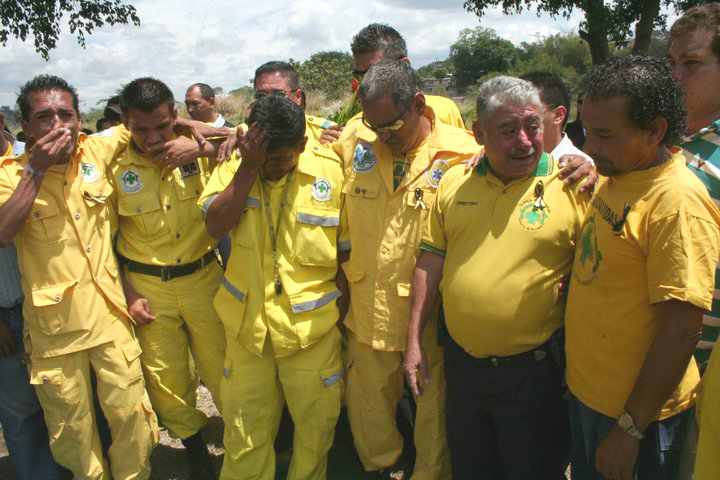
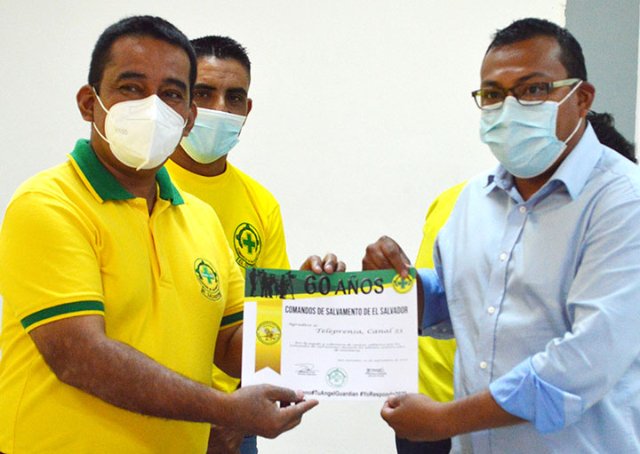
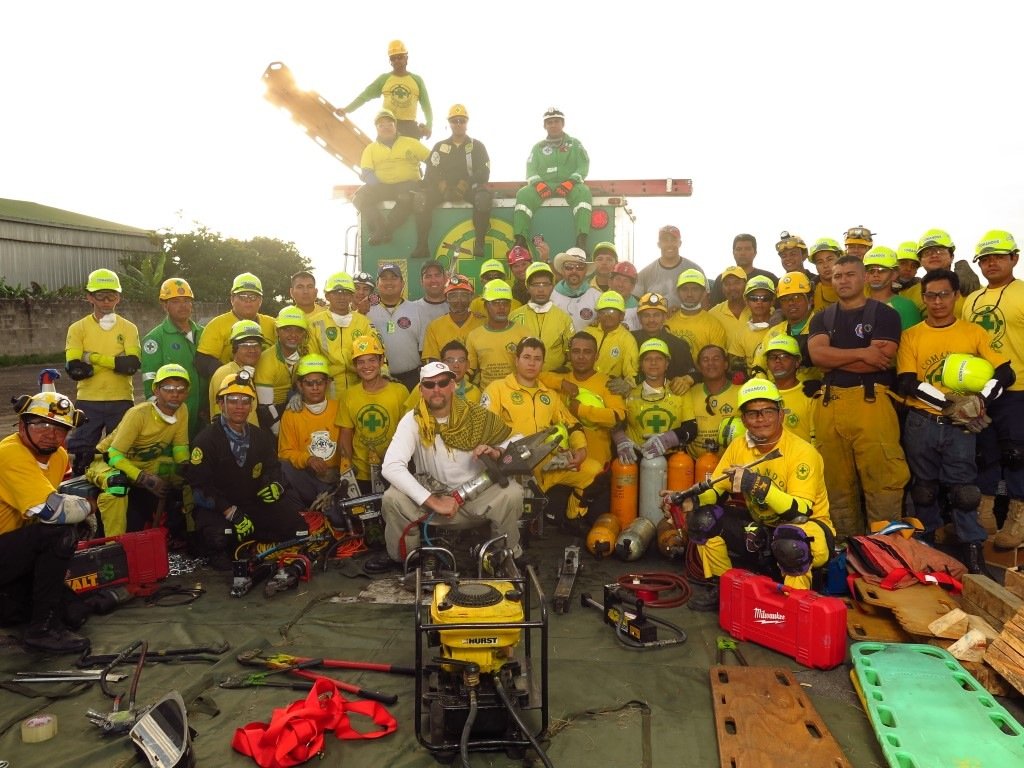
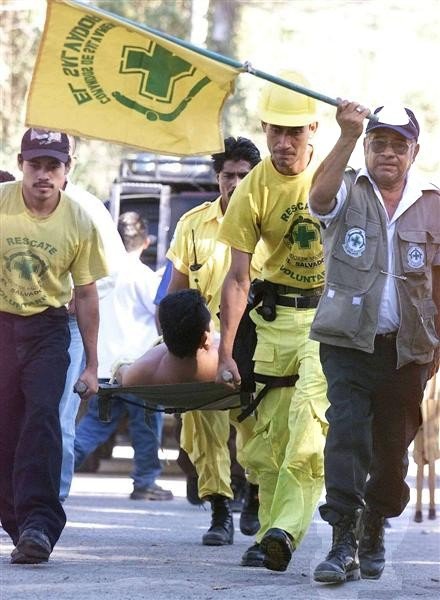
Comandos de Salvamento is a Salvadoran humanitarian organization providing emergency medical services, search and rescue, and community health services. From its Central Base in San Salvador and local branches throughout the country, it serves people facing emergencies and disasters.
Our mission and vision
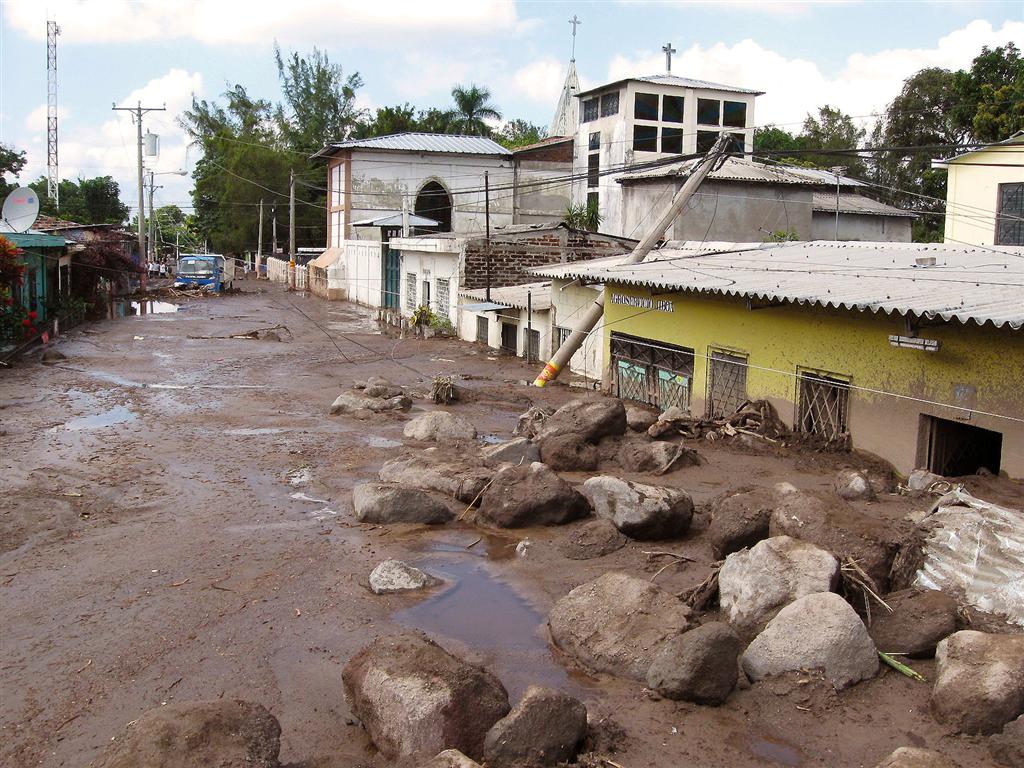
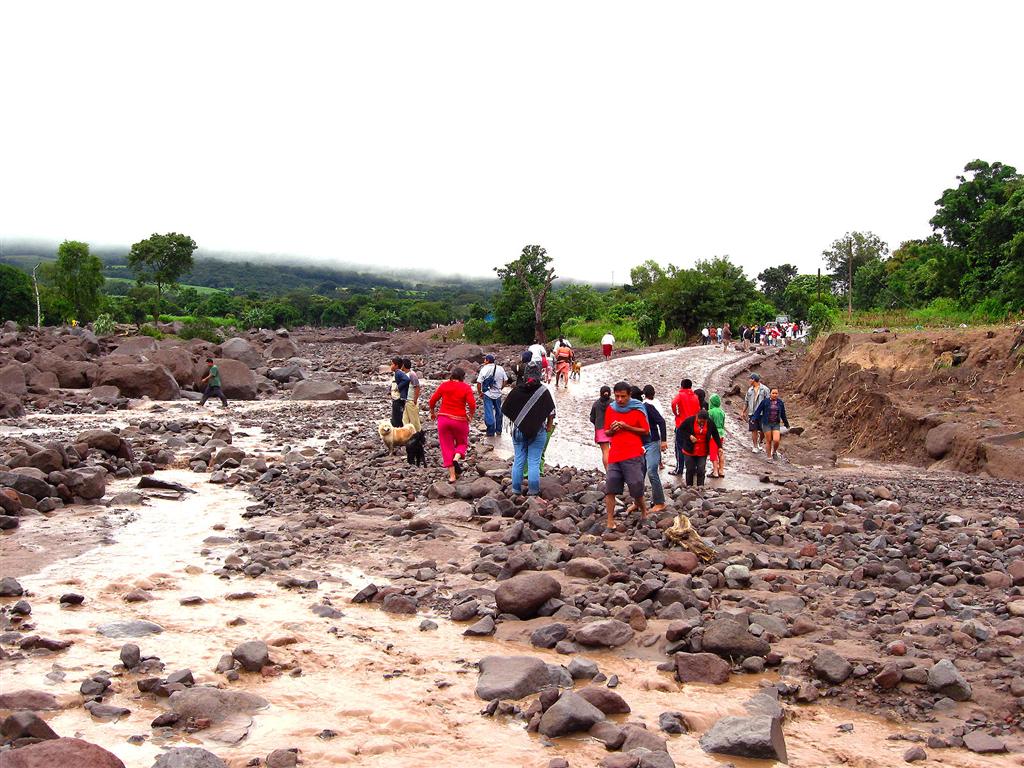
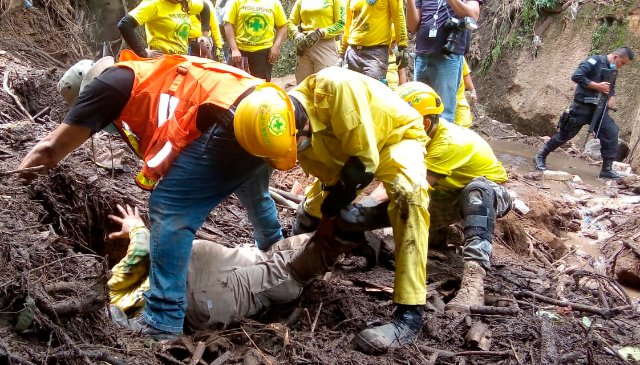
Our mission is to rescue people and protect their property when threatened by natural disasters or human actions, including earthquakes, floods, fires and armed conflict. We serve without discrimination based on race, religion, political beliefs, gender, gender identity or sexual orientation.
Our vision is to strengthen a professional, coordinated system of emergency response and humanitarian assistance. Through prevention, education, disaster preparedness and recovery, we work with communities, municipal governments and organizations within the Civil Protection System to reduce risks and improve their ability to respond.
Preparedness, training and service
Our teams work nationwide, including in communities vulnerable to flooding and landslides. Risk mapping, community education, ongoing training and improvements to ambulance services support this work.
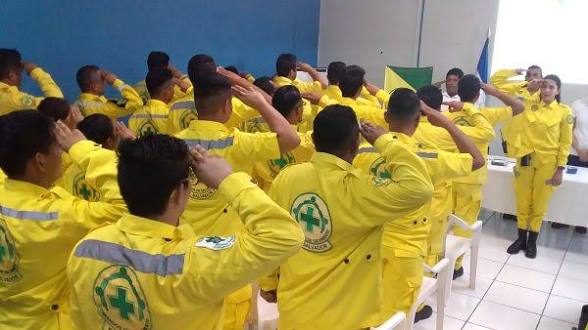
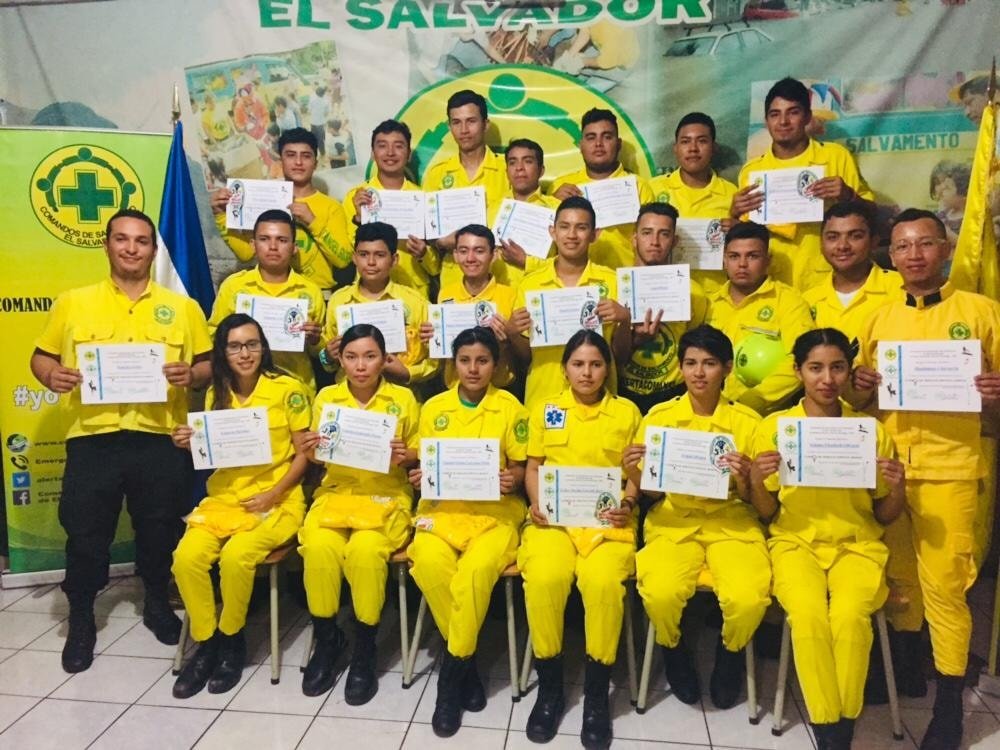
Members train in emergency medical care, water and mountain rescue, disaster response, vehicle rescue, hazardous-material response and support following critical incidents. Institutions and individuals interested in supporting this training are welcome to contact us at comandos@salvamento.org.
Founding of the website in 1999
This website is dedicated to Comandos de Salvamento, who have shown me the true meaning of courage and solidarity in the face of great challenges and extraordinary circumstances.
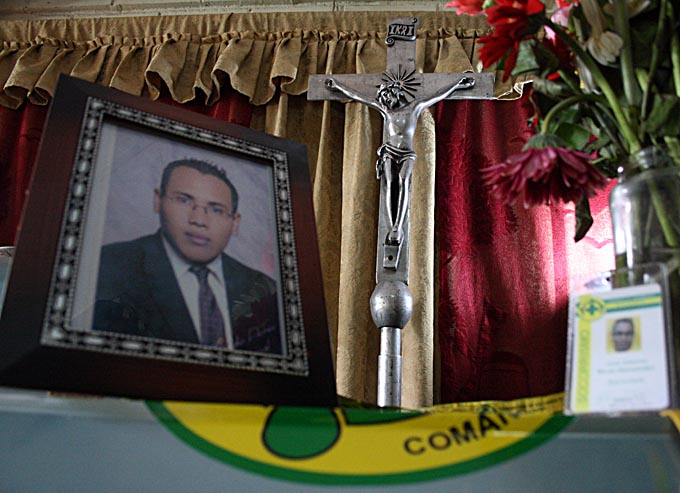
I founded this website in November 1999 together with Eduardo Arósio Rivera, known as Mayén (rest in peace), then the institution’s press officer and historian. Mayén provided much of the historical information used to document the organization’s work and preserve the memory of the people behind it.
The original website was built and maintained using Microsoft FrontPage and Adobe Dreamweaver until March 2009, when we moved to WordPress, a content management system that made publishing and maintaining the growing archive easier.
International Representative